



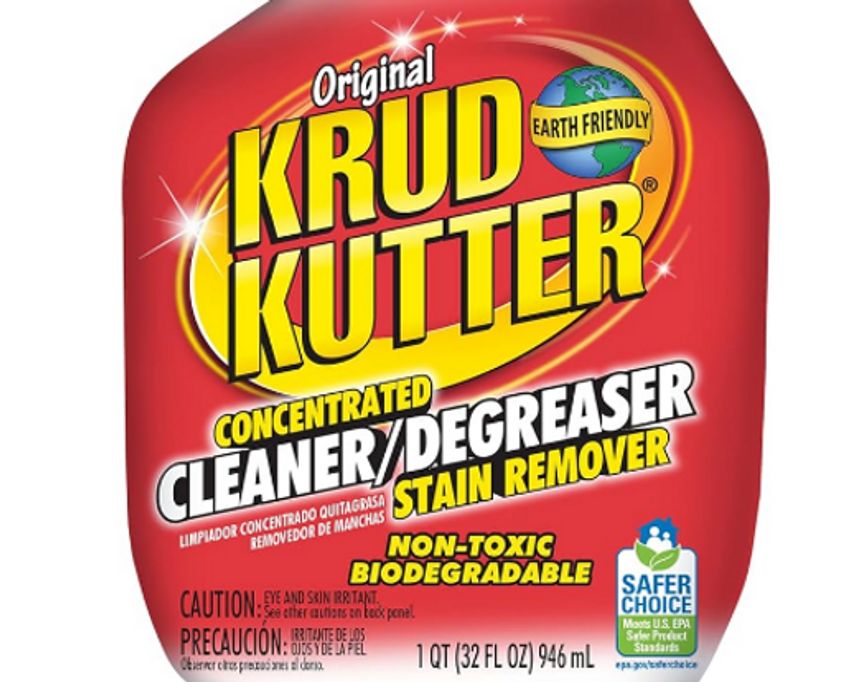
Rust-Oleum sells a line of Krud Kutter cleaning products, which the
company promotes as “non-toxic” and “earth
friendly.” A consumer sued the company, alleging that these
claims are false and misleading, since they actually do cause harm
to humans, animals, and the environment. Last year, a federal court
in California denied Rust-Oleum’s motion to dismiss,
holding that the plaintiff had sufficiently alleged false
advertising claims under California law.
After having received preliminary settlement approval from the
court, the parties have now moved for final approval of the
settlement. The settlement will require Rust-Oleum to pay
$1,500,000, which will used to provide restitution to consumers and
cover other costs. In addition, Rust-Oleum is agreeing to remove
the “non-toxic” claim from its packaging and to add
qualifying language to its “earth friendly” claim.
What are some important take-aways here?
First, even though the Federal Trade Commission isn’t
focused on environmental marketing right now, that doesn’t mean
that enforcement won’t come from other places, such as from
state and local regulators and private plaintiffs.
Second, although the Green Guides review seems to have stalled,
that doesn’t mean that the FTC’s more-than-a-decade-old
guidance isn’t still relevant. This case is a great example of
a court essentially applying the FTC’s guidance to private
litigation.
Third, although we’ve seen some courts and others rethinking
traditional understandings of what environmental claims actually
communicate, the court wasn’t really open to that here. The
court looked at “non-toxic,” and indicated that it
believed that the claim means what it says – that the product
doesn’t pose any harm. The idea that “non-toxic”
meant mostly non-toxic, or less toxic than products that have
certain chemicals, wasn’t a road that the court was willing to
go down.
Finally, although the FTC had been getting tougher on what it
means to have a “clear and conspicuous” disclaimer,
we’ve seen some willingness by courts and others to be more
flexible about what makes a disclaimer effective. But, that
didn’t happen here.
If you’re interested in environmental marketing issues, I
hope you’ll join us for two great events coming up next week in
New York City during Climate Week. On Monday, the International
Chamber of Commerce will be launching its “2025 ICC Environmental
Marketing Framework.” And, on Wednesday, we’re hosting a
program, “It’s Not Easy Being Green:
Navigating the Evolving Rules on Making Environmental Marketing
Claims.

The content of this article is intended to provide a general
guide to the subject matter. Specialist advice should be sought
about your specific circumstances.
link