It’s Not All Smiles! Zingy Warned About Fake Ratings – Advertising, Marketing & Branding

Jen Dinmore’s articles from Lewis Silkin are most popular:
- within Media, Telecoms, IT and Entertainment topic(s)
- in United Kingdom
- with readers working within the Media & Information and Retail & Leisure industries
Lewis Silkin are most popular:
- within Cannabis & Hemp and Insolvency/Bankruptcy/Re-Structuring topic(s)
Open wide
The Digital Markets, Competition and Consumers Act 2024
specifically outlaws fake and misleading consumer reviews. This law
came into force in April 2025. The Competition and Markets
Authority (CMA) issued guidance to businesses on the new law in April
2025, carried out a compliance sweep of various websites in July
and has recently warned of enforcement action on this
topic.
Consumer review information also typically includes aggregated
information in the form of overall star ratings, overall summaries,
review counts and rankings.
Because of the weight placed on this information by consumers in
their decision-making, it is important that this information is
accurate. It is a banned practice (strict
liability offence) under the DMCC Act to publish consumer review
information that is false or misleading, and to present that
information in a misleading way.
As well as the DMCC Act and CMA guidance, the CAP Code also
includes rules about misleading advertising and substantiation as
well as testimonials… so the ASA sometimes has a thing or two to
say on this topic too.
Take a seat
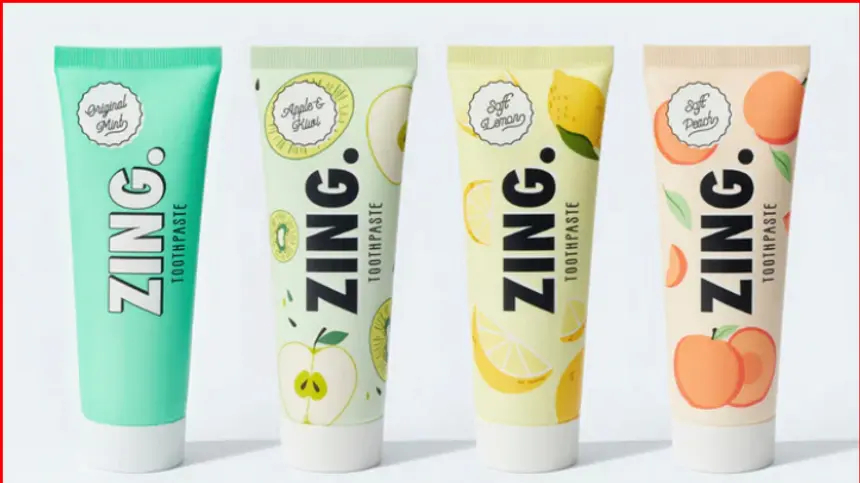
For example, this week, the ASA published the results of its
investigation into a complaint about ads from ZING Oral Care. The
ad promoted Zing’s toothpaste.
The ads referenced words like “Excellent”, “Based
on 13,183 reviews” and “Loved by 67,000+ UK
customers”, and showed five white stars in green squares with
a cut-in below the right-hand point.
Say aaaaargh!
The complainant challenged the ads because they understood ZING
Toothpaste did not have the number of reviews claimed in the ads,
or an overall five-star rating on Trustpilot.
Drilling into the details
ZING said that when the ads were created the Trustpilot rating
and number of reviews were accurate. They explained that they later
moved to a new review software provider, which caused their
original Trustpilot reviews and five-star rating to disappear. They
said they had not realised the switch would reset their Trustpilot
profile. Zing said that since the change they had received over
1,000 reviews, 85% of which were five stars. Therefore, they
believed the claims in the ad accurately reflected customer
feedback. They also said Trustpilot had given them permission to
continue using star ratings in their ads.
Make sure you get in between the gaps
This cut no ice with the ASA, which took the view that the ad
was misleading because the ad appeared to claim a five-star
Trustpilot rating for the company based on 13,183 reviews in two of
the ads and over 67,000 in the other ad, and it had not seen
evidence that ZING Toothpaste had an overall Truspilot rating of
five stars or those numbers of reviews on Trustpilot.
The ASA told ZING Oral Care Ltd not to claim or imply that they
had a five-star Trustpilot rating if they did not hold evidence to
demonstrate that this was the case.
Look into this mirror…
In this case, the ASA took action and ZING managed to get away
with a slapped wrist, because it was an ASA ruling rather than an
investigation by the CMA (or Trading Standards). The had to be
removed or amended, and can’t run again.
However, it is really important that businesses make sure that
your star ratings and claims based on customer reviews are
accurate, as the CMA can now levy hefty fines and will seek
to surgically remove consumer reviews that are misleading, as well
as giving you a hefty bill in the process!
Rinse your mouth out
Businesses involved in writing, procuring or publishing consumer
reviews or using information derived from reviews, such as ratings,
should arrange for a check up with their legal team.
Visit our Consumer Law Hub for more information and
guidance on the new law.
The content of this article is intended to provide a general
guide to the subject matter. Specialist advice should be sought
about your specific circumstances.
link