AI: “An Inevitable” Influence on Macau’s Food and Beverage Industry

UTM Comments is a partnership between Macau News Agency and Macao University of Tourism
By Jerome Keong
Hailing from decades of historical culinary traditions, Macau has been recognized by UNESCO as embodying the DNA of “fusion” cuisine. With its extensive exposure to maritime trade from as early as the 16th century, Macau has welcomed flavors from all corners of the globe.

Over time, this gastronomical journey has stayed true to its roots and together with its host nation has been globalized as a footprint of the epicureanism world.
Favoured for its unique hospitality scenes as well as Cantonese and Portuguese heritage flavors, Macau is seen to be undertaking a vast transformation driven by AI. As AI has seen drastic evolution over just an extremely short period of time, its integration into the industry is inevitable. Proven to enhance customer service, efficiency and convenience in the Food and Beverage Industry, AI has also raised concerns of over-reliance towards technology, workforce streamlining, and the struggle to maintain and preserve culinary roots that once served as the building blocks of the industry.
AI-Driven Efficiency and Convenience
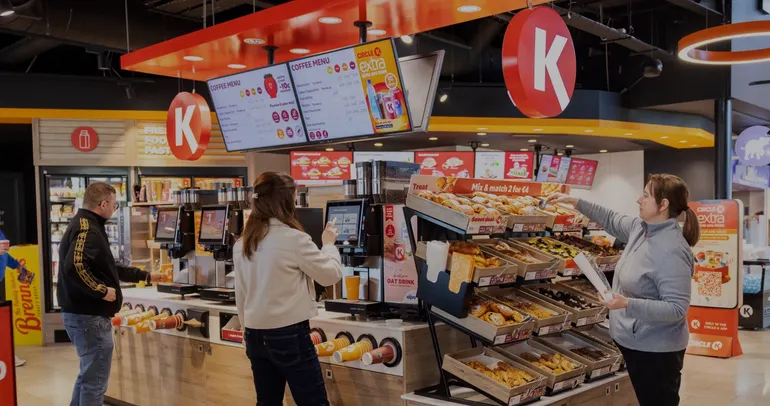
Similar to how it has taken the world by storm, AI is the driving force in revolutionizing the processes of the Food and Beverage Industry in Macau. Online platform ordering systems, automated kiosks, AI-run chatbots expedites wait times and elevates efficiency for customers. In a bustling city like Macau, the need for both convenience and speed is a critical factor to aid in energizing its tourism industry. AI-enabled processes will most certainly elevate the industry’s productivity levels. Expedited ordering and payment processes, reduced human error, and more accurate inventory management controls will lead to higher profitability while lowering cost significantly.
Technological Dependance
Though effective in many aspects, the ultimate risk is becoming overly reliant on AI at the expense of what hospitality was built upon – human interaction. Hospitality is fundamentally, at its core, about providing personal touch, authenticity, and warmth where too much involvement of AI could diminish what has always defined Macau’s dining culture on its crowded culinary stage.
For example, robotic bartenders may eliminate the malpractice of ‘over-pouring’ and ‘under-pouring’ which in turn drastically improves the bottom-line of the restaurant while not ‘shortchanging’ its guests. However, it lacks the key skills that make a great bartender: bartending flair, a conversationalist, a confidant, and an advisor to menu recommendations.
Conservation of Rudimentary Skills and Product Knowledge
The culinary scene of Macanese cuisine is deeply rooted in cultural heritage; hence, it is imperative that production personnel have a holistic understanding of the history and cooking methods of its dishes like Macanese Minchi or African Chicken or Portuguese Egg Tarts. Though not thoroughly complicated or intricate dishes, they are still true to the Macanese community by way of its unique preparation and cooking techniques. Something that undeniably requires a certain emotional intelligence from an actual person, which no AI may replicate.
With proper training programs in place and controlled integration, artificial intelligence, when used as a support rather than a substitute, will bring great benefits to the work environment, where the skilled-labor force is and will always be scarce.
What the Future of AI Holds for Macau
If approached and implemented wisely, striking the correct balance between AI integration and a primarily human service-oriented environment will undeniably bring continual enhancements and success to Macau’s Food and Beverage landscape. Ultimately, to cultivating an environment with warm and heartfelt hospitality while embracing innovation, Macau will continue to uphold its excellence as a global leader in hospitality, offering both cutting-edge technology with its own ‘Asian Heart’.
link