Ozempic and other GLP-1s about to take a bite out of the fast-food business: experts

“All of a sudden, they become more mindful, so instead of going out for burgers and fries once a week, they may replace that with something else, maybe a grilled chicken sandwich instead of a burger, and maybe a salad instead of fries on the side,” said Jordan LeBel, a food marketing professor at Concordia University.
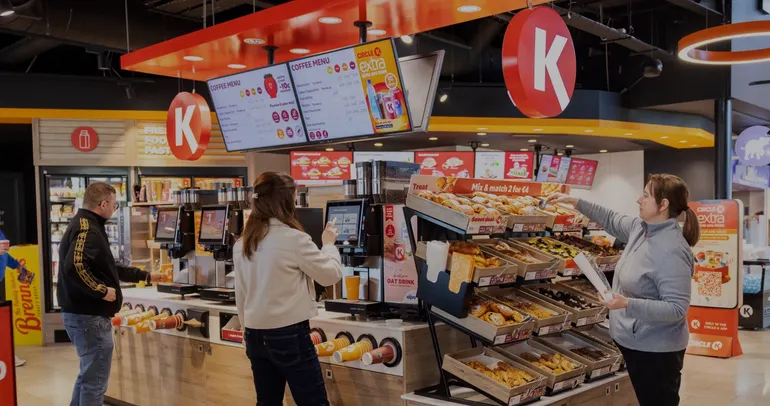
That’s the best-case scenario for restaurants, but not everyone will switch one big-ticket item for another. Some might say no to upsizing their order, making it a combo or adding an extra treat to it. Others will forgo stopping at the fast-food joint altogether.
The result could be a drop in spending at restaurant chains that mirrors a decrease already materializing south of the border, where GLP-1s have caught on even faster.
A December 2024 paper from the Cornell SC Johnson College of Business reported an eight per cent decline in spending at fast-food chains, coffee shops and limited-service restaurants like takeout counters during the first year of someone taking a GLP-1.
“It doesn’t sound like a big number, but that’s hundreds of millions of dollars,” LeBel said of the drop in revenue it could equate to.
At McDonald’s alone, equity analyst firm Redburn Atlantic has predicted there could be up to 28 million fewer customer visits because of GLP-1s, resulting in a revenue loss of US$482 million per year (about $674.2 million Cdn).
But it’s Shake Shack that William Blair analysts said in February 2024 that they “worry the most about.” The U.S. chain that entered the Canadian market last year is vulnerable because of its “indulgent menu with a focus on burgers (one of the categories for which consumption declined the most post-GLP-1) and a lack of history of successfully pivoting to healthier offerings.”
Even though the firm’s research shows they are among the chains that have lost the most visits from GLP-1 users, Outback Steakhouse, Chipotle and the Cheesecake Factory will likely fare better because they have more room to pivot to different menu items and portion sizes, the analysts concluded.
Some businesses have begun making that shift already. U.S. restaurant chain Cuba Libre has a GLP-1 menu items backed by nutritionists and Tucci, an Italian joint in New York, lets people order single meatballs from what the owner jokes is an “Ozempic menu.”
Though it’s hard to weed out whether GLP-1s or other eating habits were the trigger, sit-down restaurants in Canada are experimenting more with vegetables, fast-food giants are devoting a growing portion of their menus to snacks, and protein lattes — which pack a nutrient GLP-1 users require — are available at café chains like Starbucks and Tim Hortons.
Tims president Axel Schwan told The Canadian Press in late October that his company was aware of GLP-1s but said it wasn’t impacting the business.
While she didn’t name names, O’Donnell said most companies have their “head in the sand,” when it comes to GLP-1s, because they’re too stressed about other health trends, labour problems and rising beef costs.
“It’s just another whack,” she said.
Still, she maintains “all hope is not lost” for them because most of the population isn’t on GLP-1s and not everyone who tries them will stick with them.
Plus, even those that decide to take it for the long-term will want a treat every so often.
“People are not behaving monastically. They’re not like, ‘I will only eat cardboard and water for the rest of my life,'” she said. “The reality of people’s crazy lives is they go to a quick-serve restaurant and even if you have a small fry or a Tims with extra cream in it, maybe that’s not something you do every day … but they’re indulging a little bit.”
link